Function Over Pain
Four Counterintuitive Truths about Healing
The Problem with “Common Sense” Healing
You stretch, you rest, you ice. You track your pain on a 1-to-10 scale, praying for a lower number as proof that you’re getting better. But the injury lingers, trapping you in a frustrating cycle of hope and disappointment. What if that number is a distraction? What if the entire game of recovery isn't about chasing zero pain, but about something else entirely?
This post shares four powerful, counterintuitive takeaways that challenge conventional wisdom about recovery and offer a smarter framework for reclaiming your life from pain.
1. Forget the Pain Score. Your Real Progress is Measured in Function.
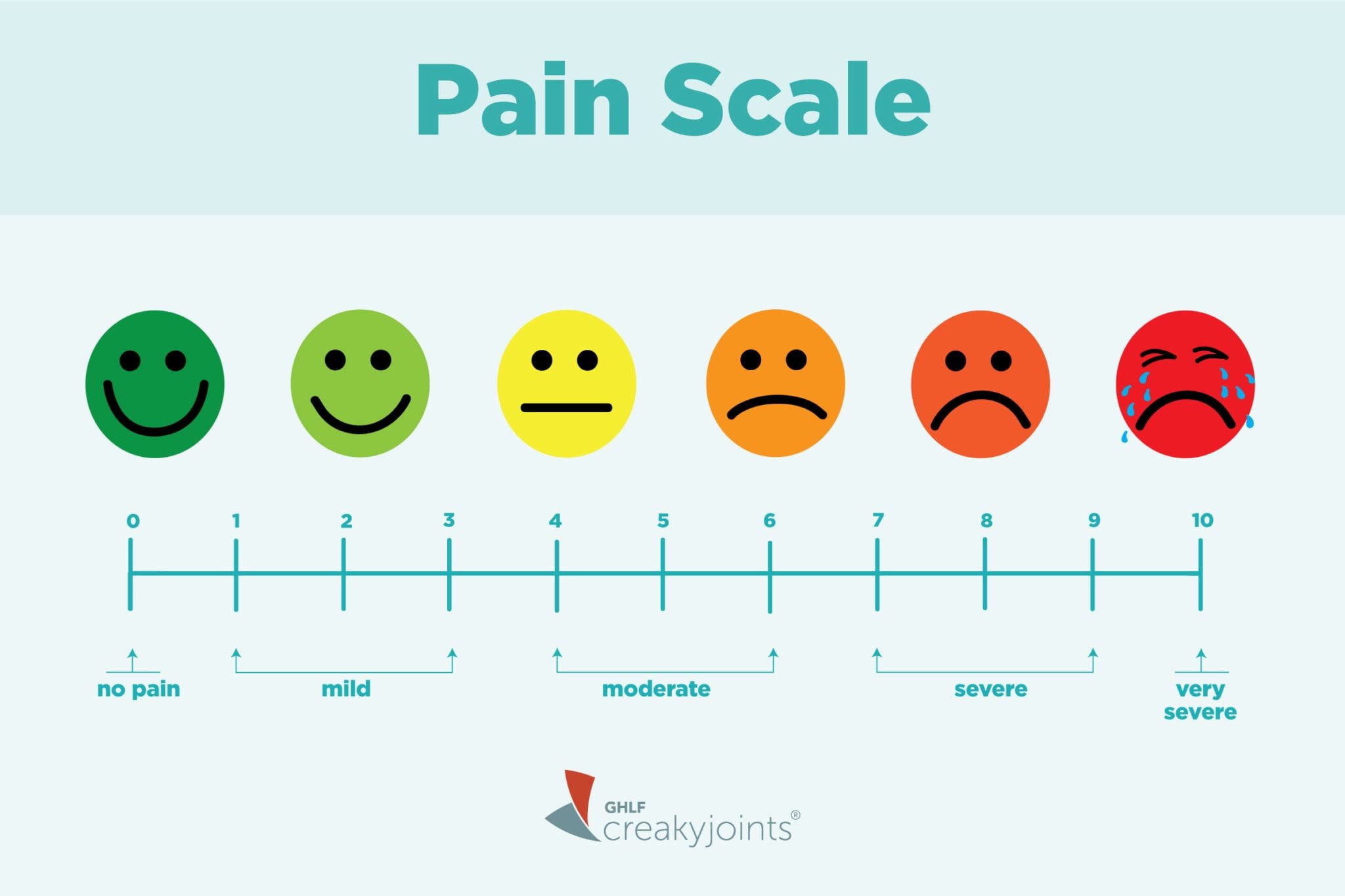
When you're in pain, it's natural to fixate on the 1-to-10 pain scale, believing that a high number signals a severe problem. However, for clinicians determining the need for a serious intervention like surgery, pain level is not the primary indicator. The real metric is function.
A significant loss of mechanical function, like the inability to lift your arm, pronounced weakness, or a loss of nerve conduction, is a much stronger predictor of surgical necessity than pain itself. While pain is a crucial part of your experience, a clinician is far more concerned when the body's machinery stops working correctly.
This challenges the common assumption that more pain equals more damage. A "shoulder shrug sign," for instance, is a sign where the person has to hike their whole shoulder just to lift their arm—a clear indicator of functional loss. A person may have a positive shrug sign with no pain at all. This isn't just a clinical detail; it's a complete reframing of the recovery narrative. It gives you permission to stop obsessing over a subjective pain score and instead focus on what truly matters: celebrating tangible, functional gains. Being able to reach a high shelf or walk an extra block are the true milestones on a more constructive and positive path to recovery.
2. When the Problem is Messy, Stop Looking Under the Microscope.

Some injuries are specific and clear. But what happens when symptoms are widespread, confusing, and don't fit a neat pattern? In these complex cases, "zooming in" too closely can cause more harm than good.
Trying to pinpoint a single, isolated cause for widespread pain is like trying to find one specific amoeba on a microscope slide that has just been shaken up. You'll get lost searching for something that’s impossible to isolate, and you might miss the bigger picture.
The more effective approach is to "zoom out." Instead of hunting for a single impairment, the goal is to see the entire system. A clinician will first rule out any serious red flags (like major neurological issues) and then shift focus to general strategies. This often involves gentle, consistent movement and education about how pain works. The underlying principle is that you don't need to fix one tiny thing; you need to improve the health of the whole system.
This isn't just about a patient with confusing symptoms. It's about any problem where the details become overwhelming. Whether it's a stalled project at work or a personal creative block, sometimes the answer isn't to find the one broken component, but to step back, improve the overall system (sleep, nutrition, stress), and let the solution emerge.
3. The Best Pain Scale Isn't a Number—It's Your Face.
The 1-to-10 pain scale is notoriously subjective. What one person calls a "3," another might call a "7." Furthermore, some people don't express pain physically. For example, some patients report severe pain with a completely dead panned face, making a numerical rating almost meaningless for guiding exercise.
A more practical and reliable alternative is the "Grimace Test." It’s a simple, observable guideline for finding the right level of intensity during rehabilitation. Simply put, if someone can look at your face and tell you're in pain, it's too much pain.
This approach is effective because it’s behavioral, not abstract. It moves beyond numbers to a human-centered, observable guideline, creating a safer and more intuitive way to push your body without pushing it too far.
4. To Heal an Injured Area, Sometimes You Have to Work Around It.
If your shoulder hurts, common sense says to either rest it completely or try to strengthen the exact spot that’s in pain. But when a tissue like a rotator cuff tendon is highly irritated, directly loading it can make things worse.
A more intelligent strategy is to treat the neighbor, not the problem. For instance, with a very symptomatic partial tear of the supraspinatus tendon, we might try loading its neighbor, the infraspinatus, with low-grade external rotation isometrics, which involves gently activating the muscles that turn the arm outward without actually creating movement.
The rationale lies in the body's brilliant design. These two tendons don't work in isolation. They are linked by a "connective band" of tissue. This allows them to perform "load sharing"—much like teammates helping each other carry a heavy object. By gently strengthening the healthy neighbor, you provide stability and support to the area, giving the irritated tendon time to "settle down" and heal.
This reveals a fundamental truth about healing: the most direct path isn't always the most effective. By supporting the structures around the injury, you create an environment of stability that allows the irritated tissue to heal on its own terms. It’s a shift from fighting the pain to fostering resilience in the entire system.
A Smarter Path to Recovery
The common thread connecting these four truths is a shift away from a singular focus on eliminating pain. Effective, lasting recovery often relies on counter-intuitive strategies that prioritize function over feeling, employ adaptable frameworks over rigid rules, and take a systemic approach to healing.
The next time you feel a twinge of pain, will you ask "How much does it hurt?" or will you ask "What can I still do?" The answer to that question may be the most powerful medicine of all.
Ready To get back to your function?
Schedule your evaluation with one of our expert Physical Therapists to get started!
ABOUT H.I.R.T.
We are passionate about helping you move and feel your best. Whether you’re just out of surgery or dealing with a nagging injury, our dedicated physical therapists perform detailed evaluations to be identify the exact cause of your pain.
Through personalized programs and care specific to your needs, at H.I.R.T. your recovery is our focus and we’ll do everything to get you back to what you love.