Understanding Pain
a guide to moving with confidence
Experiencing pain can be a confusing and even scary part of life. As a physical therapist, my goal is to demystify what pain really is, explain its true purpose, and show you how exercise can be one of the most powerful tools for managing it. But more than that, this is a guide to seeing adversity not as a roadblock, but as an opportunity to become stronger and more in tune with your body. Understanding your pain is the first and most important step toward moving with confidence and not being afraid of it.

What is Pain, Really? Separating Sensation from Experience
The first crucial step in understanding pain is to separate the body's warning signal from the actual experience of pain. They are two different things.
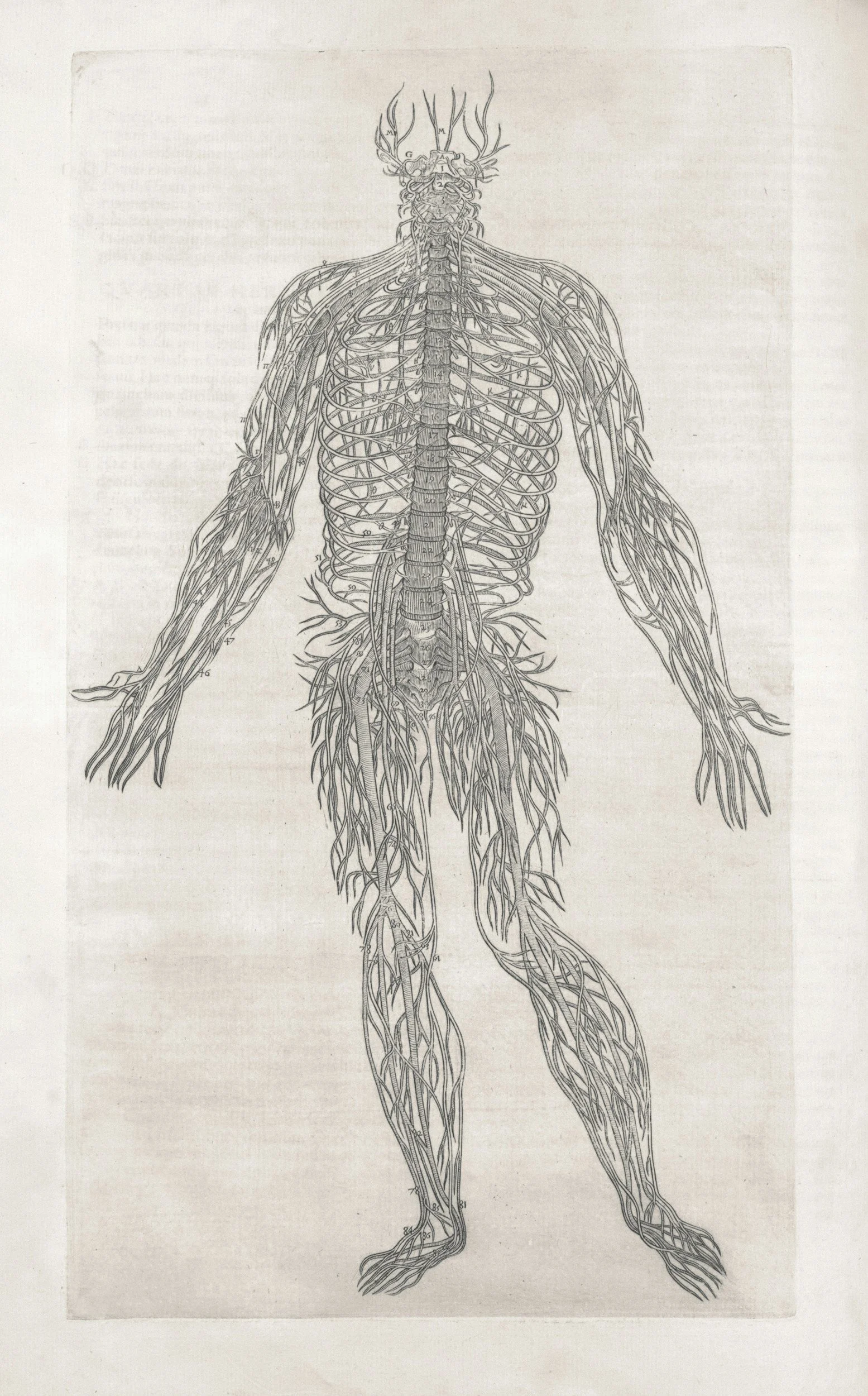
Nociception: The "Smoke Detector" This is the process of your body's cells detecting potential tissue damage. Specialized nerve endings throughout your body sense mechanical, chemical, or thermal threats and send a warning signal toward your brain. It is simply the detection of "smoke."
Pain: The "Fire Alarm" This is the unpleasant personal experience created by your brain in response to what it perceives as a threat. The brain takes the warning signal (and many other factors) into account and decides whether to sound the alarm to get your attention and protect you.
In other words, your brain can turn up the 'alarm volume' based on stress, fear, or past experiences, even if the 'smoke signal' from your tissues is weak. This distinction leads to the single most important insight in modern pain science:
The level of pain does NOT equal the level of tissue damage.
Your brain creates the experience of pain based on its interpretation of danger. That interpretation is influenced by more than just the signals coming from your tissues.
More Than Just a Signal: What Shapes Your Pain Experience
Your personal experience of pain is a complex output created by your brain, influenced by several key factors:
Nociception: The initial warning signal from the body's tissues.
Systemic Conditions: Other things happening in your body, like inflammation or illness.
Psychosocial Factors: Your thoughts, emotions, stress levels, past experiences, and your current life situation.
Now that we know pain is a personal experience created by the brain, let's explore why our brain creates it.
Pain is Your Body's Alarm System (Not a Damage Meter)

Pain's primary purpose is not to measure damage, but to act as a sophisticated alarm system. It is designed to protect you, help you learn, and alert you to potential problems.
This "alarm system" has three main purposes:
To Protect You Pain occurs when the brain perceives a threat of damage to the body. Its goal is to get your attention and bring about a protective action, like pulling your hand away from a hot stove or limping on a sprained ankle to allow it to heal.
To Help You Learn Pain is one of our most effective teachers. It helps you learn what to avoid or what to do differently next time to prevent injury. This learning process is essential for navigating the world safely.
To Alert You to Internal Problems Crucially, pain in one area of the body does not always mean the damage is located there. The brain can sound the alarm in a remote location to signal a problem elsewhere. Common examples include:
A heart attack causing pain down the arm.
A kidney stone causing pain in the back.
If pain is just an alarm, how can we use movement to make that alarm less sensitive and our bodies more resilient? The answer lies in how our tissues adapt.
How Exercise Helps: Building a Stronger, More Resilient Body
Our bodies are amazing systems designed to adapt to challenges. In physiology, any stimulus that interferes with our body's internal stability is called stress. When we apply the right kind of stress through exercise, our body responds by becoming stronger.
This process is called Mechanotransduction: the body's response to mechanical stress (like lifting a weight or going for a run) that results in positive tissue adaptations. In simple terms, your body gets better at handling the things you ask it to do.
Exercise helps reduce pain in two primary ways:
It raises the alarm threshold: Regular exercise can make your pain receptors less sensitive. This means it takes a stronger or more significant signal from the tissues for the brain's "alarm" to go off.
It increases tissue resiliency: Exercise makes your muscles, tendons, and bones physically stronger and more robust. This increases their capacity to handle physical stress without sending out warning signals in the first place.
For these positive adaptations to occur, three key ingredients are necessary:
Appropriate stress: The exercise must be challenging enough to stimulate change, but not so much that it overwhelms the body's ability to recover. Think of it like getting a tan versus a sunburn. The right amount of sun (stress) leads to a positive adaptation (a tan). Too much, too soon, overwhelms the system (a sunburn).
Adequate rest/recovery: Adaptations happen between workouts, not during them. Sleep and rest are essential.
Adequate nutritional components: Your body needs the right building blocks (macronutrients, micronutrients, hydration) to repair and build stronger tissues.
Building a more resilient body is the goal, but the journey requires learning to listen to your body's signals along the way.
Practical Guide: Working With Pain, Not Against It
A crucial mindset shift is required when exercising with discomfort. The goal is not to eliminate all pain during exercise, but to learn to work with and around it, using it as a helpful source of information. In my clinic, the most important mindset shift I teach is this:
"We should use pain to guide us on how to exercise."
This guide can help you understand the pain you are feeling and what you can do about it.
Your pain guidebook
When to Modify Your Exercise
Your body is asking for a change if you feel:
-Sharp pain
-Mechanical symptoms (e.g., clicking, catching, locking)
-Neurologic symptoms (e.g., numbness, tingling)
Smart Ways to Modify
Instead of stopping, try one of these smart adjustments first:
-Add an isometric hold (tensing the muscle for 3-5 seconds without movement; this can have a pain-relieving effect)
-Reduce the range of motion
-Change your position (e.g., from standing to seated)
-Pick a new exercise entirely
Key Signals That It's Time for Professional Guidance
Part of a successful recovery is knowing when to bring in a partner. I always tell my patients that seeking guidance is a sign of being proactive, not a sign of failure. Learning to manage your pain is empowering, but it's also important to recognize when you need guidance from a qualified healthcare professional like a physical therapist.
See a professional if:
You have a significant loss of function: This includes noticeable weakness, new or spreading numbness, or a significant loss of range of motion in a joint.
You have significant pain: You are experiencing pain greater than 5/10 during rest or while performing normal activities of daily living.
You aren’t improving over time: Progress isn't always linear, but you should see a general positive trend. About 80% of common injuries show significant resolution within 6 weeks. If you aren't getting better after that time, it's a good idea to get checked out.
You Are in Control
Pain is a normal, protective part of being human, but it doesn't have to control you. By understanding its purpose and learning how to work with it, you can take charge of your health and turn this adversity into an opportunity to build a stronger, more confident, and more capable body.
Remember these key takeaways on your journey:
Pain is a normal experience and an alarm system, not a direct measure of tissue damage.
Exercise helps by making your body's tissues more resilient and your alarm system less sensitive.
You can use pain as a guide to help you move safely and effectively.
You have the ability to understand your body's signals and use movement to live an active and fulfilling life.
Need guidance on how to navigate pain?
Schedule your evaluation with one of our expert Physical Therapists to get started!
ABOUT H.I.R.T.
We are passionate about helping you move and feel your best. Whether you’re just out of surgery or dealing with a nagging injury, our dedicated physical therapists perform detailed evaluations to be identify the exact cause of your pain.
Through personalized programs and care specific to your needs, at H.I.R.T. your recovery is our focus and we’ll do everything to get you back to what you love.