Nerve Pain Explained
The Difference Between Nerve Irritation and Nerve Damage
Why Understanding Nerve Pain Matters
Nerve pain is one of the most common reasons people seek medical care for neck, back, and leg symptoms. Unfortunately, many nerve-related conditions are lumped together under vague terms like sciatica or nerve impingement.
The reality is that not all nerve pain is the same, and understanding the difference can dramatically change how it should be treated.
Most nerve problems fall into two main categories:
Nerve sensitivity (irritation)
Nerve conduction problems (nerve damage)
This distinction is critical for both diagnosis and recovery.
Nerve Sensitivity: When the nerve is irritated but still working
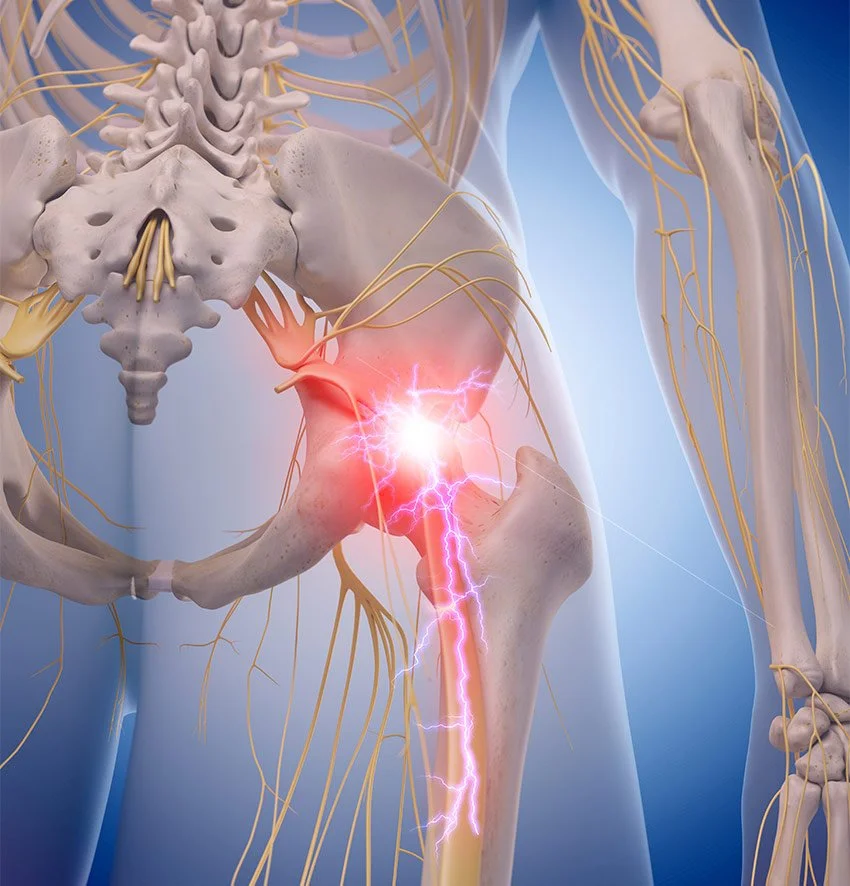
Nerves are designed to move, stretch, and glide through surrounding tissues during normal movement. Sometimes a nerve becomes sensitive to stretch or movement, but the electrical signal is still functioning normally.
This is called a neurodynamic issue.
Common symptoms of nerve irritation include:
Tingling
Burning
Aching pain
Cramping sensations
Tightness along the nerve pathway
Interestingly, the presence of pain often means the nerve is still functioning normally.
The electrical signal is still getting through.
These symptoms frequently improve with:
Movement
Cardiovascular exercise
Nerve mobility exercises
Gradual loading
Nerve Conduction Problems: When the Signal Is Disrupted

A more serious nerve condition occurs when the nerve’s ability to conduct electrical signals is impaired.
This is known as a neurologic deficit.
Symptoms of nerve conduction problems include:
Numbness
Muscle weakness
Reduced reflexes
These findings indicate that the nerve is no longer transmitting signals normally.
When these symptoms appear, clinicians evaluate myotomes, dermatomes, and reflexes to determine the level and severity of nerve involvement.
Radiculopathy vs Sciatica vs Radiating Pain
Many people use these terms interchangeably, but they mean different things.
Radiculopathy
Loss of nerve root function due to compression or injury.
Radicular Pain
Pain following the path of a nerve root.
Radiating Pain
Pain traveling from one location to another (not necessarily a nerve).
Using precise terminology helps clinicians determine the correct diagnosis and treatment plan.
The Three Most Common Causes of Nerve Pain
Most nerve symptoms fall into one of three categories.
1. Nerve Tension (Altered Neurodynamics)
The nerve becomes sensitive to movement or stretch but still functions normally.
2. Mechanical Compression
Structures such as disc herniations or spinal narrowing physically compress the nerve.
3. Chemical Irritation
Inflammatory chemicals from nearby injured tissues irritate the nerve.
Each condition requires a slightly different treatment strategy.
How Nerve Pain Is Diagnosed
Clinicians typically evaluate three systems:
Neurologic testing

Myotomes
Dermatomes
Reflexes
Neurodynamic testing
Straight Leg Raise
Slump Test
Nerve tension tests
Mechanical assessment
Movement and loading tests
This comprehensive approach allows clinicians to identify the true cause of symptoms.
Key Takeaway
Not all nerve pain is the same.
Determining whether symptoms involve nerve sensitivity, compression, or conduction loss is the key to designing an effective treatment plan.
Accurate diagnosis leads to better outcomes and faster recovery.
Need Help Deciphering your nerve pain?
Schedule your evaluation with one of our expert Physical Therapists to get started!
ABOUT H.I.R.T.

We are passionate about helping you move and feel your best. Whether you’re just out of surgery or dealing with a nagging injury, our dedicated physical therapists perform detailed evaluations to be identify the exact cause of your pain.
Through personalized programs and care specific to your needs, at H.I.R.T. your recovery is our focus and we’ll do everything to get you back to what you love.